Chapter 9: Big Hardware
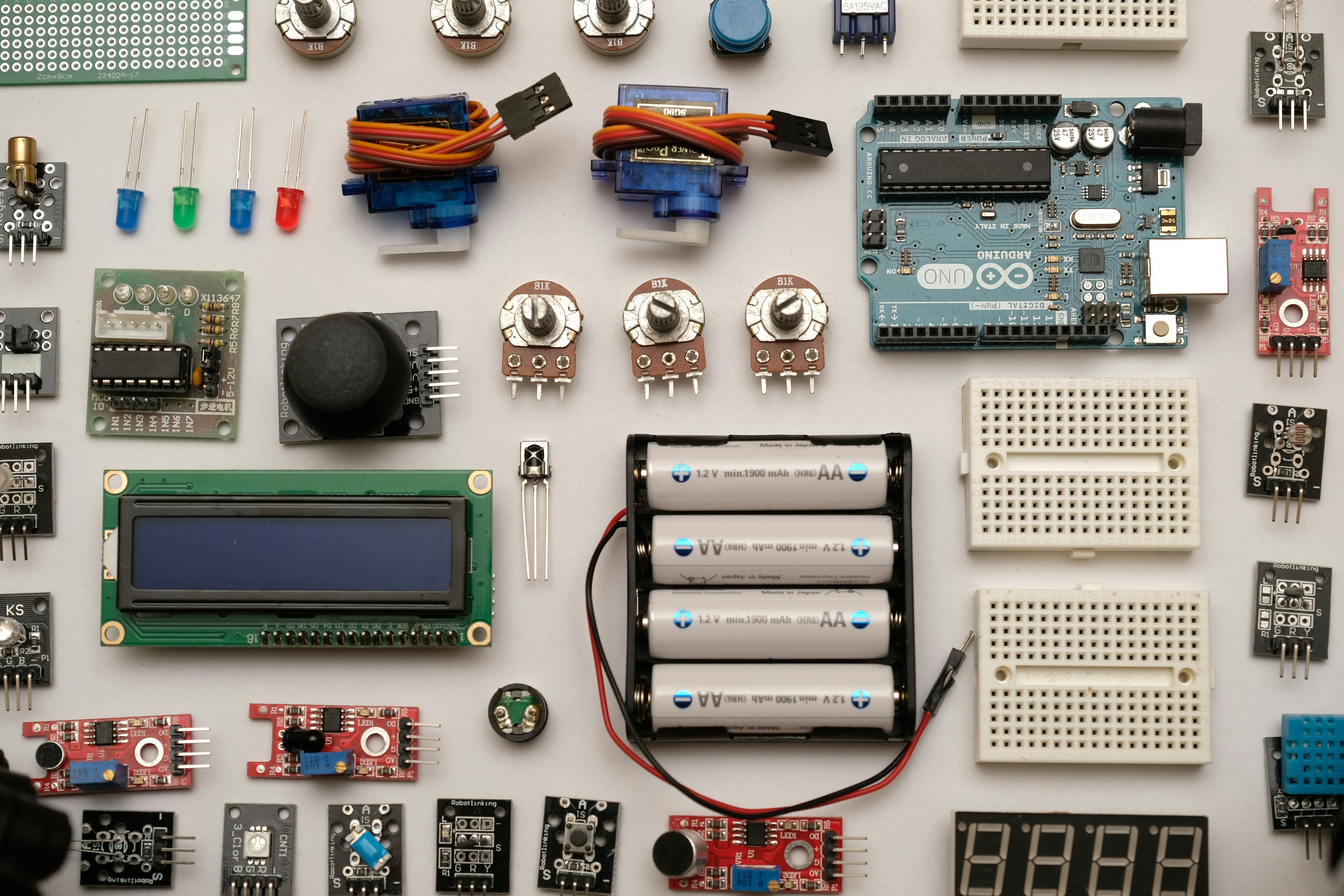
Your physical state communicates a lot about you. For, example your heart rate and skin conductance can indicate whether you are in fear. This chapter demonstrates how innovations in hardware and sensor technologies allow us to take physiological measurements that can reflect your cognitive state. The chapter discusses readily available sensors in popular devices like smartwatches and phones that can be used to collect physiological data. We then describe what each sensor – accelerometers, GPS, thermometers, heart rate monitors, and their combination – can reveal about the mind. The chapter also provides advice on how to analyze such richly sampled data, and we discuss privacy concerns that can come with such deep data collection.
- Physiological sensor databases
- Google's Community Mobility Reports - shows GPS data across the world during the COVID-19 pandemic
- The Fitabase Dataset - Fitbit data from ~30 individuals
- Learn more about the sensors in wearables
- Test your chronotype and the dress illusion
- See the Rubber Hand Illusion in action
Here I will maintain links to datasets of physiological and sensor data that may be cognitively interesting to look at:
Here is an article on All About Circuits where they take apart a Fitbit wearable tracker and look at what's inside.
Find out your chronotype by taking the Morningness-Eveningness Questionnaire. Now, what colors are this internet-famous dress?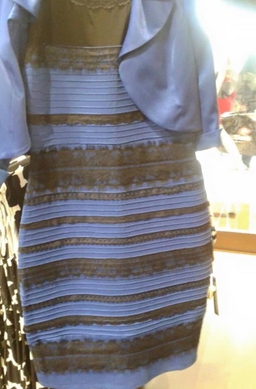
In general, "night owls" will tend to perceive this dress as blue/black due to more exposure to artificial light, while "morning larks" will tend to perceive this dress as white/gold due to more exposure to natural light (Lafer-Sousa et al., 2015). Does that match with your experience?
See a popular demonstration about embodied cognition called the Rubber Hand Illusion, which elicits both subjective reports of surprise but also increased skin conductance: