Chapter 6: Big Artificial Intelligence
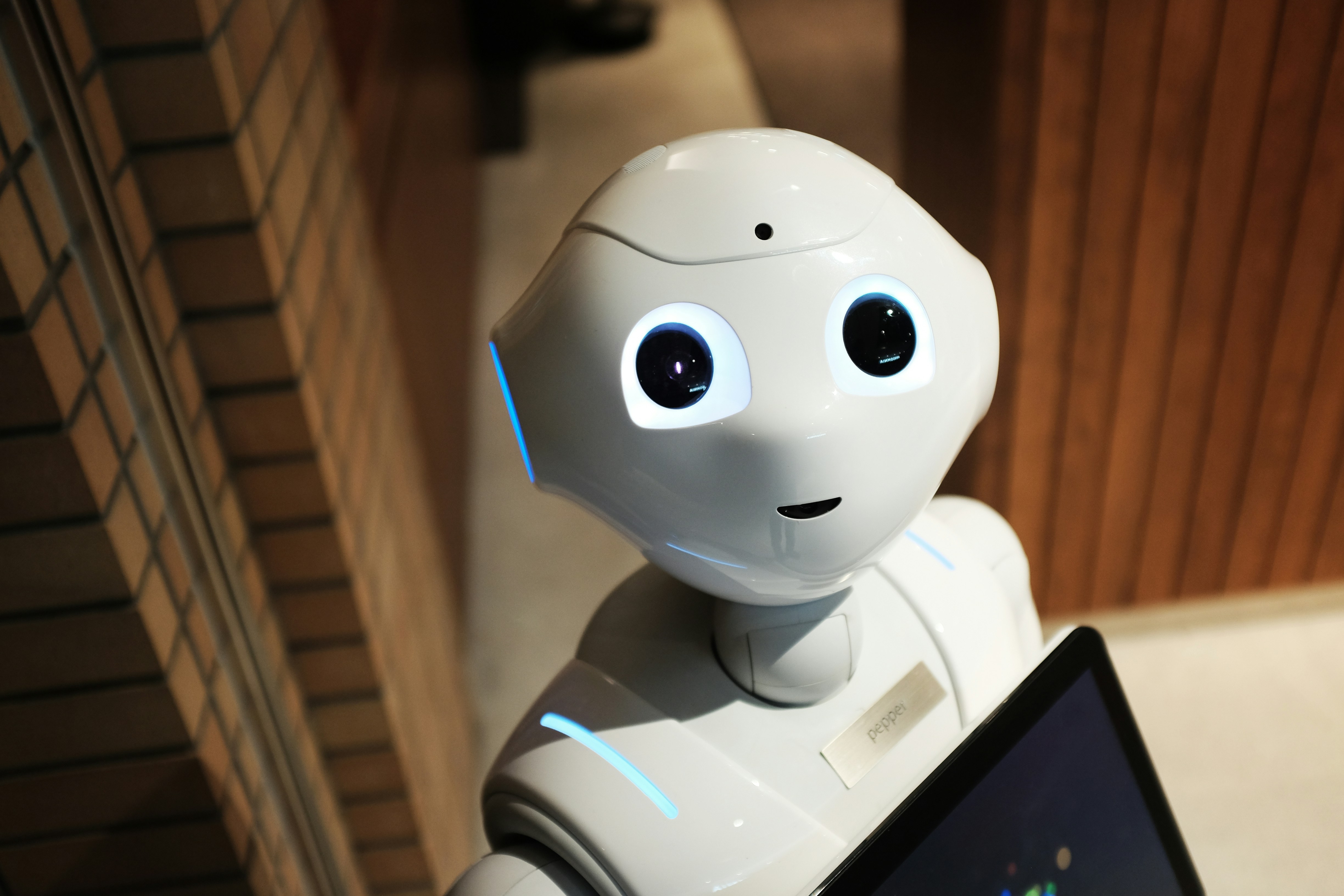
This chapter describes the important role of artificial intelligence (AI) in Big Data psychology research. First, we discuss the main goals of AI, and then delve into an example of machine learning and what is happening under the hood. The chapter then describes the Perceptron, a classic simple neural network, and how this has grown into deep learning AI which has become increasingly popular in recent years. Deep learning can be used both for prediction and generation, and has a multitude of applications for psychology and neuroscience. This chapter concludes with the ethical quandaries around fake data generated by AI and biases that exist in how we train systems, as well as some exciting clinical applications of AI relevant to psychology and neuroscience.
- Links to AI models to try
- Teachable Machine from Google - train an AI vision model yourself!
- Pix2Pix - use a GAN to fill in a "realistic" texture into a doodle you draw yourself.
- ResMem - upload a picture and learn how memorable it is (from my lab!).
- This Person Does Not Exist - this site uses StyleGAN2 to create a new picture of a person on each refresh.
- DALL-E - OpenAI's popular image generator.
- OpenArt - a tool that uses many different possible AI models to generate an image or video.
- Suno - use AI to generate a song.
- Learn more about machine learning and deep learning
Here are different AI models to try (generally deep learning neural networks). Also take a look at our list of large language models to try for more language-based applications (Chapter 11).
Here is Google's Machine Learning Crash Course. Here is also a publicly available MIT Press textbook on Deep Learning by Goodfellow, Bengio, and Courville.