Chapter 10: Big Brain Data
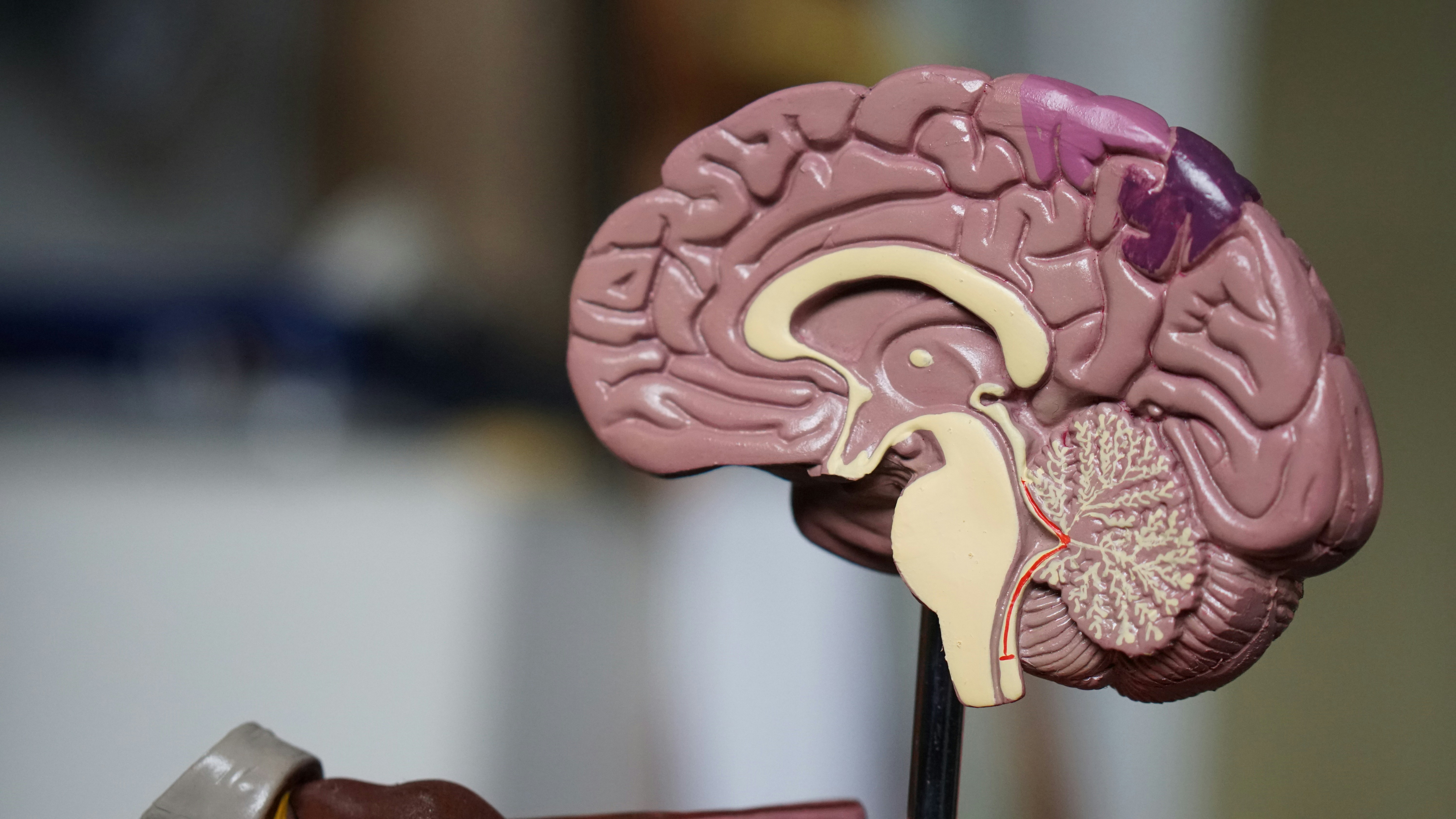
As we think and act, the brain is constantly producing Big Data in the firing of its neurons and in the connections that are strengthened and weakened. This chapter discusses how we can study the brain and the Big Data that it creates. First, we discuss how clever behavioral tasks, looking at development and other species, and natural variation across people are our first tools for understanding the brain. Next, we delve into describing several popular brain imaging methods – direct recording, electroencephalography, magnetoencephalography, magnetic resonance imaging, and a few others. We discuss how to interpret the Big Data shown by brain maps, and some Big Data themes like multiple comparisons correction to consider when viewing this data. Finally, we end the chapter discussing the ethical question of whether such neuroimaging allows mindreading.
- Open neuroimaging repositories
- OpenNeuro - a resource for distributing open brain imaging datasets (MRI, EEg, MEG, iEEG, PET, etc), for over 1000 studies.
- Human Connectome Project - MRI and MEG data for a set of tasks, for 9000+ participants across the lifespan.
- Adolescent Brain Cognitive Development (ABCD) - MRI scans of 12,000+ youth starting at age 9.
- Cam-CAN Dataset - MRI scans of ~700 individuals to look at the effects of aging.
- BOLD Moments Dataset - MRI of viewing 1000 3-s video clips (10 adults).
- Human Action Dataset - MRI of 30 adults viewing 180 action categories.
- BOLD5000 - MRI of 4 adults viewing 5,000 scenes
- Natural Scenes Dataset - 7T MRI of 8 adults viewing 10,000 images.
- THINGS-data - MRI, MEG, and EEG data for viewing a range of object images
- Object Recognition Dataset - EEG of 10 adults viewing 16,740 objects
- Audiovisual iEEG-fMRI dataset - MRI and intracranial EEG recording of 51 adults watching a 6.5-min clip of Pippi Longstocking.
- Narratives Dataset - MRI of 345 adults listening to 27 stories
- Paranoia Story Dataset - MRI of 22 adults listening to an ambiguous audio narrative
- Neuroscience crowd-sourcing resources
- Get started working with brain imaging data
Here is a list of repositories making neuroscience data available. I will update this list as I come across more repositories:
Here are some interesting meta-analysis and crowd-sourcing brain imaging resources:
Braindr is a Tinder-like service for crowd-sourcing quality judgments of brain MRI images. Users swipe left or right depending on the quality of the scan.
Neurosynth is a tool that synthesizes and visualized MRI results across multiple studies.
Gallant Lab Brain viewers allows for dynamic navigation of brain imaging results from the lab of Prof. Jack Gallant.
Andy's Brain Blog by Andrew Jahn is a fantastic resource for learning about analyzing MRI data.
The AFNI Bootcamp for learning how to use the MRI analysis and preprocessing tool AFNI.
BrainVoyager's Guide for analyzing fMRI data.